The Ladoux/Mège Team has just published a new paper in Biomaterials
Bioengineering a miniaturized in vitro 3D myotube contraction monitoring chip to model muscular dystrophies
Abstract
Quantification of skeletal muscle functional contraction is essential to assess the outcomes of therapeutic procedures for neuromuscular disorders. Muscle three-dimensional “Organ-on-chip” models usually require a substantial amount of biological…
The Vervoort Team has just published a new paper in JEZ-B: Molecular and Developmental Evolution:
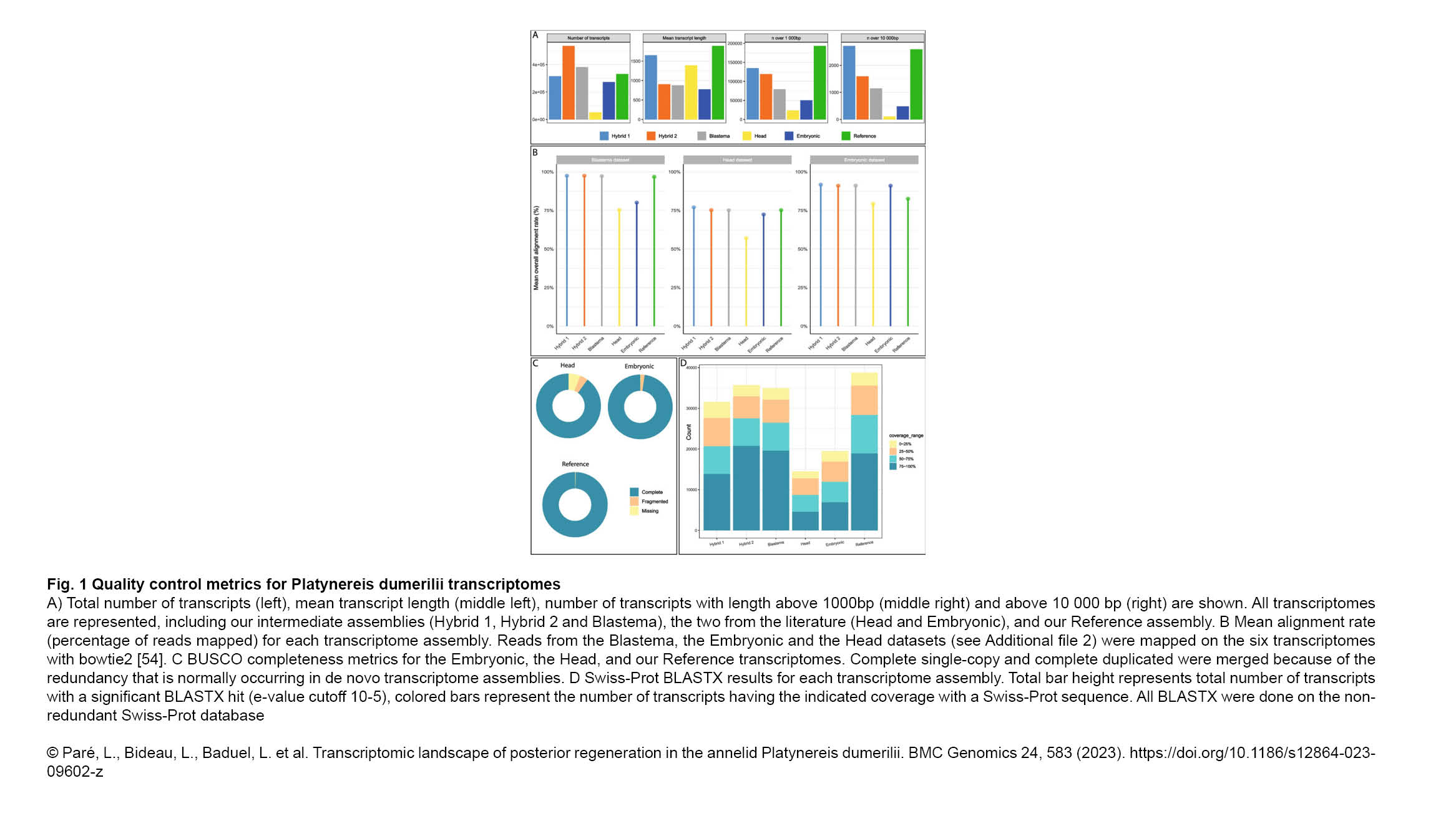
On the hormonal control of posterior regeneration in the annelid Platynereis dumerilii
Abstract
Regeneration is the process by which many animals are able to restore lost or injured body parts. After amputation of the posterior part of its body, the annelid Platynereis dumerilii is…
The Ladoux/Mège Team has just published a new paper in Nature Physics:
Mechanical stress driven by rigidity sensing governs epithelial stability
Abstract:
Epithelia act as barriers against environmental stresses. They are continuously exposed to various mechanical stress and abrasion, which impact epithelial integrity. The impact of the environment on epithelial integrity remains elusive. By culturing epithelial…
The Minc Team has just published a new review in Journal of Cell Science :
Mechanobiology of the cell wall – insights from tip-growing plant and fungal cells
ABSTRACT
The cell wall (CW) is a thin and rigid layer encasing the membrane of all plant and fungal cells. It ensures mechanical integrity by bearing mechanical stresses…
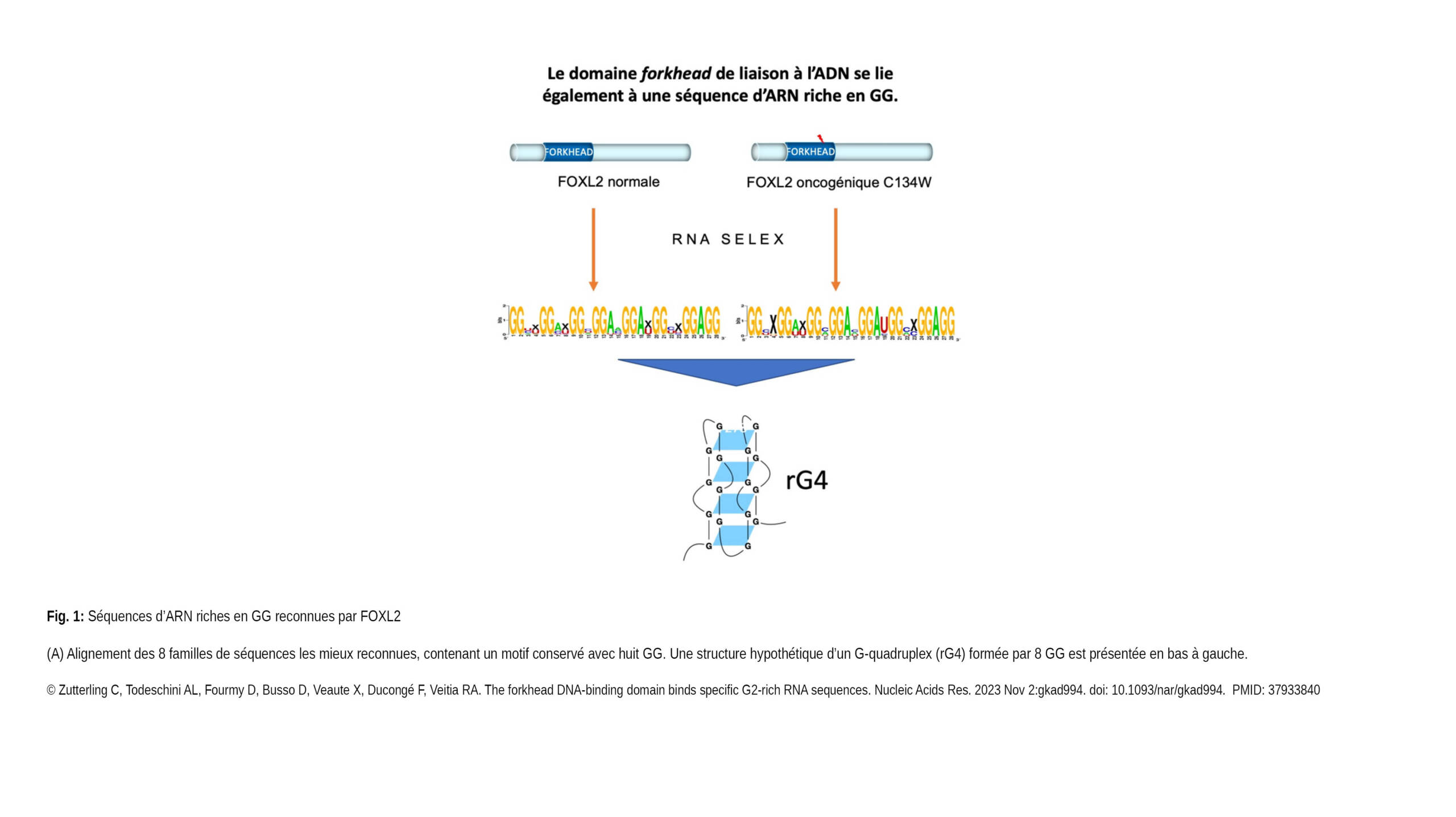
The Veitia team has just published a new paper in Clinical Genetics:
Recurrent missense variants in clonal hematopoiesis-related genes present in the general population
Abstract
Clonal hematopoiesis (CH) consists in an abnormal expansion of a hematopoietic stem cell bearing an advantageous somatic variant. A survey of known recurrent somatic missense variants in DNMT3A, SF3B1, SRSF2 and TP53, some of the…
A new paper just published in Cancers :
Novel Insights into Redox-Based Mechanisms for Auranofin-Induced Rapid Cancer Cell Death
Abstract
Auranofin (Ridaura®, AUF) is a gold complex originally approved as an antirheumatic agent that has emerged as a potential candidate for multiple repurposed therapies. The best-studied anticancer mechanism of AUF is the inhibition of thioredoxin reductase (TrxR).…
The Wassmann team has just published a new paper in Developmental Cell:
Cyclin B3 implements timely vertebrate oocyte arrest for fertilization
Summary
To ensure successful offspring ploidy, vertebrate oocytes must halt the cell cycle in meiosis II until sperm entry. Emi2 is essential to keep oocytes arrested until fertilization. However, how this arrest is implemented exclusively…
The Wassmann Team has just published a new paper in Star Protocols!
Protocol to measure cleavage efficiency of the meiotic cohesin subunit Rec8 by separase in mouse oocytes using a biosensor
Summary
Here, we describe a biosensor to assess meiotic cohesin subunit Rec8 cleavage in mouse oocytes. We detail oocyte collection and microinjection of the mRNA…
The Ladoux/Mège Team has just published a new paper in Science Advances:
The emergence of spontaneous coordinated epithelial rotation on cylindrical curved surfaces
Abstract
Three-dimensional collective epithelial rotation around a given axis represents a coordinated cellular movement driving tissue morphogenesis and transformation. Questions regarding these behaviors and their relationship with substrate curvatures are intimately linked to spontaneous…
The Plessis Lab has just published a new paper in eLife!
High hedgehog signaling is transduced by a multikinase-dependent switch controlling the apico-basal distribution of the GPCR smoothened
Abstract
The oncogenic G-protein-coupled receptor (GPCR) Smoothened (SMO) is a key transducer of the hedgehog (HH) morphogen, which plays an essential role in the patterning of epithelial structures.…