The Konstantinides Lab published a new article in The FEBS Journal :
Evolution of patterning
Abstract:
Developing tissues are patterned in space and time; this enables them to differentiate their cell types and form complex structures to support different body plans. Although space and time are two independent entities, there are many examples of spatial patterns that…
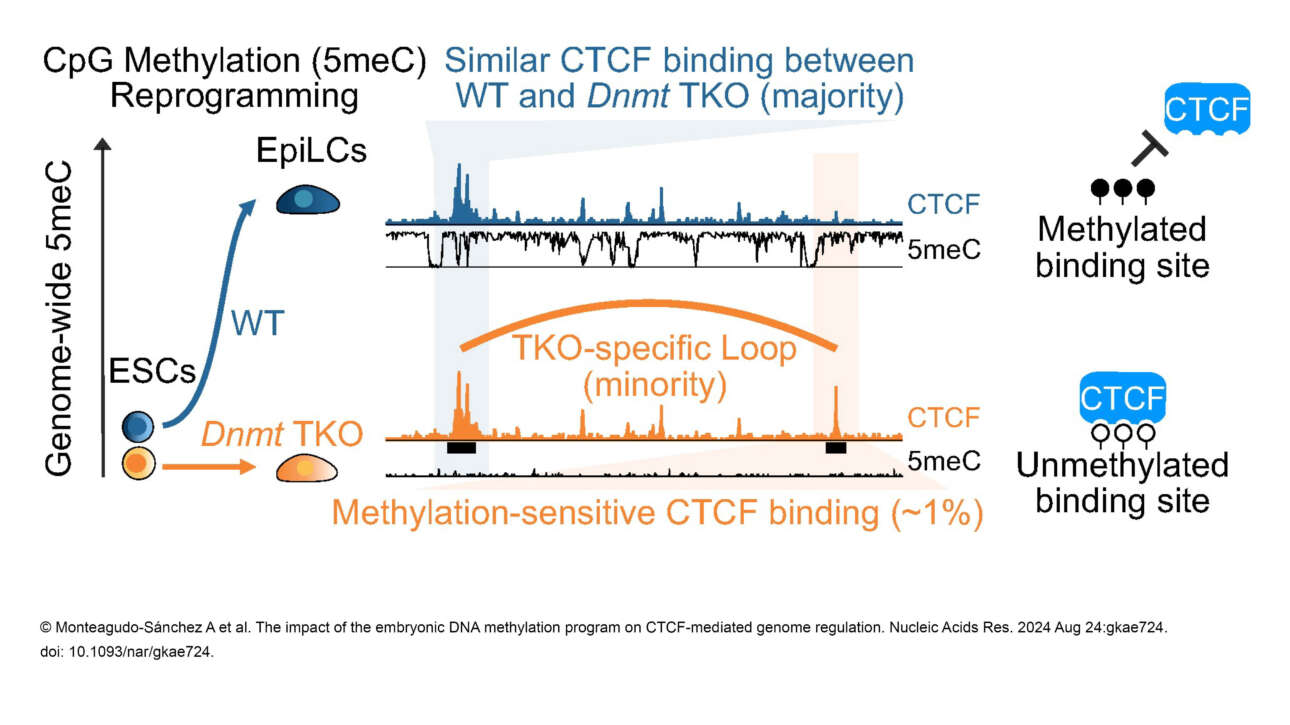
The Veitia Lab recently published a new article in Nucleic Acids Research :
The forkhead DNA-binding domain binds specific G2-rich RNA sequences
Abstract:
Transcription factors contain a DNA-binding domain ensuring specific recognition of DNA target sequences. The family of forkhead (FOX) transcription factors is composed of dozens of paralogs in mammals. The forkhead domain (FHD) is a…
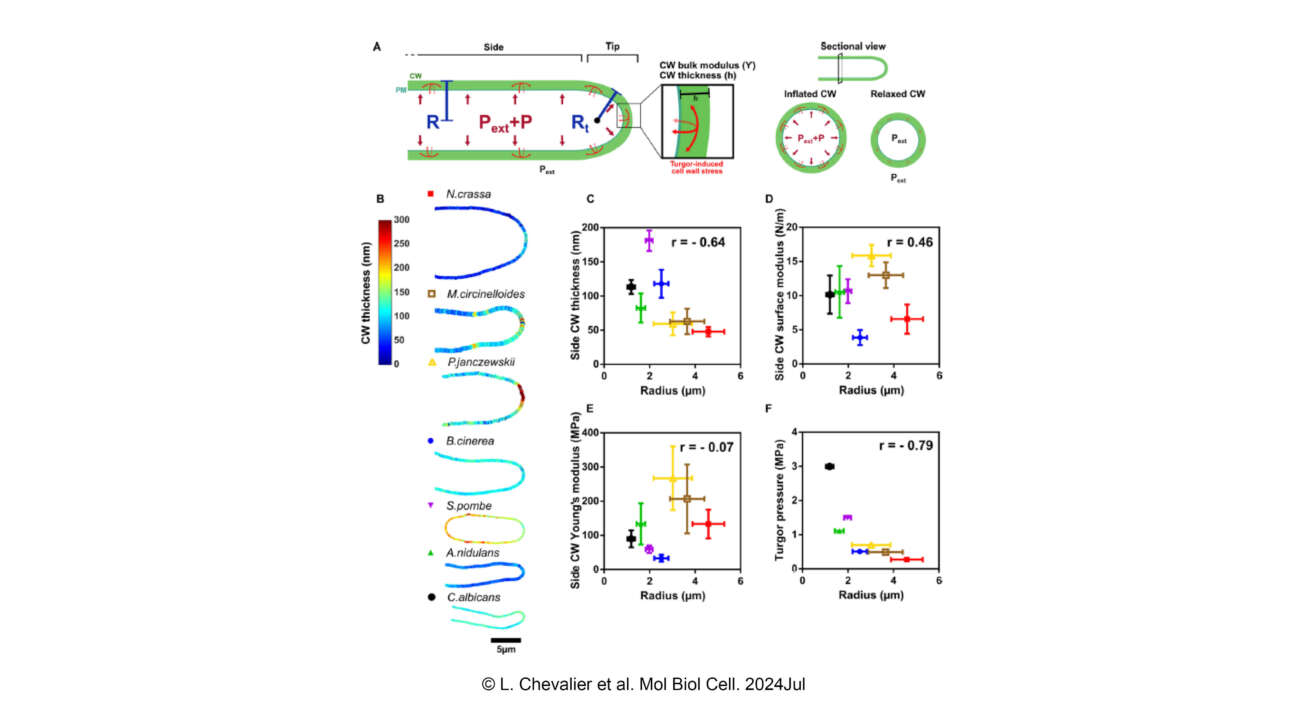
Le Ladoux / Mège recently contributed to the publication of a new article in Nature Cell biology :
A mechanosensitive caveolae–invadosome interplay drives matrix remodelling for cancer cell invasion
Abstract:
Invadosomes and caveolae are mechanosensitive structures that are implicated in metastasis. Here, we describe a unique juxtaposition of caveola clusters and matrix degradative invadosomes at contact…
The Camadro Lab recently contributed to the publication of a new article in Briefing in Bioinformatics :
The five pillars of computational reproducibility: bioinformatics and beyond
Abstract:
Computational reproducibility is a simple premise in theory, but is difficult to achieve in practice. Building upon past efforts and proposals to maximize reproducibility and rigor in bioinformatics, we present…
The Courtier Lab recently published a new article in Current Opinion in Insect Science :
The loci of insect phenotypic evolution
Abstract:
Insects are important elements of terrestrial ecosystems because they pollinate plants, destroy crops, transmit diseases to livestock and humans, and are important components of food chains. Here, I used Gephebase, a manually curated database of…
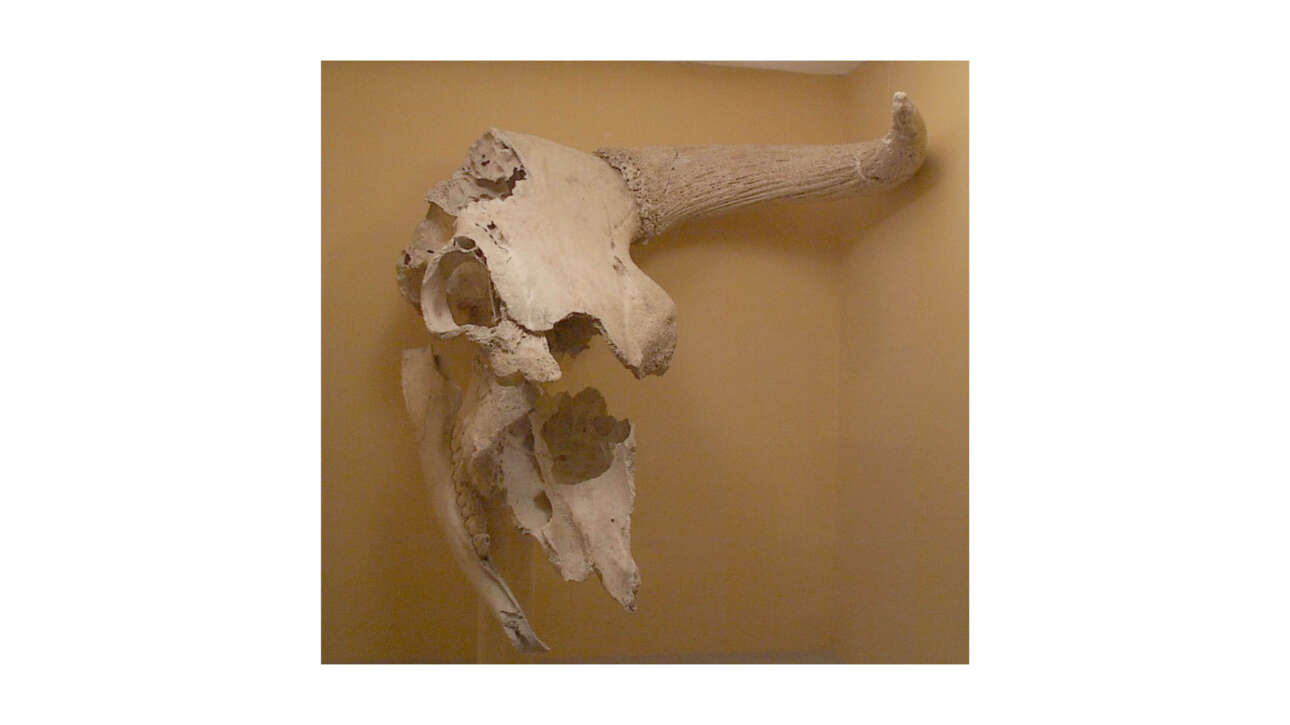
The Grange/Geigl Lab published a new article in Nature Ecology and Evolution :
Genome sequences of 36-37,000 year-old modern humans at Buran-Kaya III in Crimea
Two 36 and 37,000-year-old genomes from Crimea shed light on the first successful implantations of modern Humans in Europe and on the emergence of the Gravettian culture
The implantation of anatomically…
Gazave Lab – Transcriptomic landscape of posterior regeneration in the annelid Platynereis dumerilii
The Gazave Lab recently published a new article in BMC Genomics:
Transcriptomic landscape of posterior regeneration in the annelid Platynereis dumerilii
Abstract:
Background
Restorative regeneration, the capacity to reform a lost body part following amputation or injury, is an important and still poorly understood process in animals. Annelids, or segmented worms, show amazing regenerative capabilities, and as…
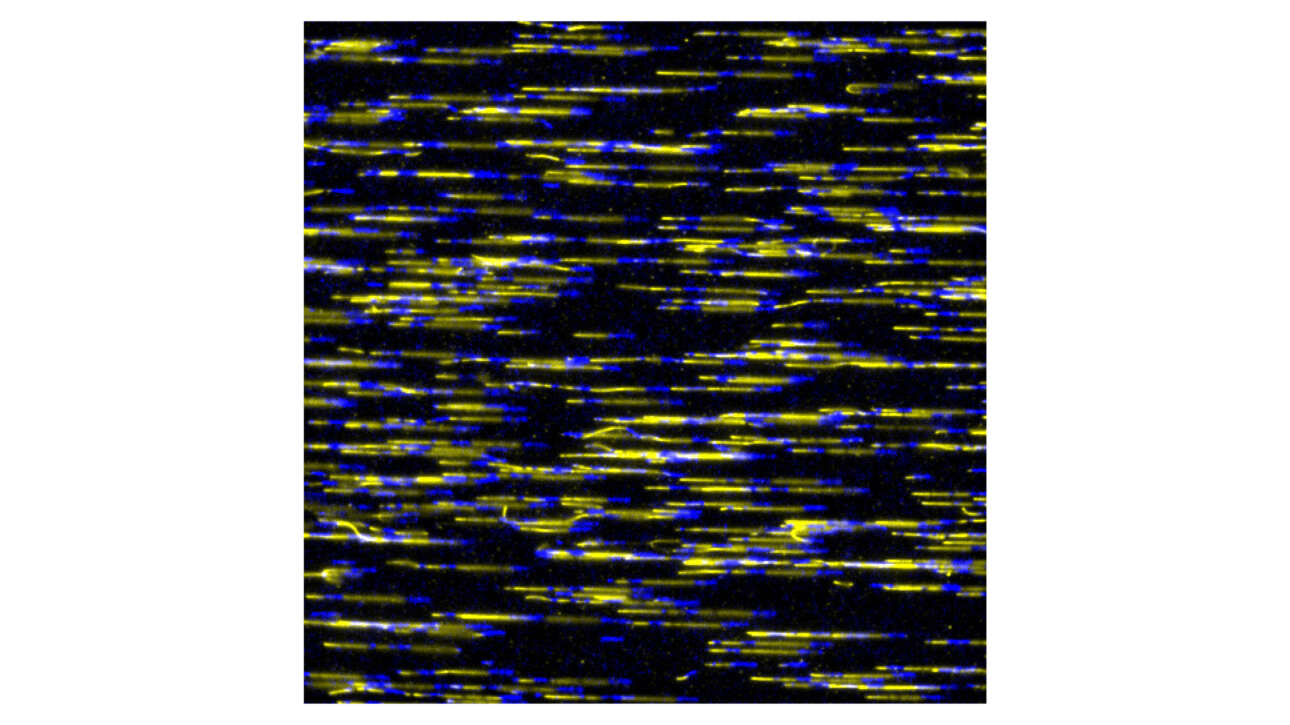
The Palancade Lab recently published a new article in Nature communications :
A R-loop sensing pathway mediates the relocation of transcribed genes to nuclear pore complexes
Abstract: Nuclear pore complexes (NPCs) have increasingly recognized interactions with the genome, as exemplified in yeast, where they bind transcribed or damaged chromatin. By combining genome-wide approaches with live imaging…
The Ladoux/Mège recently contributed to the publication of an article in Nature Communications :
Hexanematic crossover in epithelial monolayers depends on cell adhesion and cell density
Abstract:
Changes in tissue geometry during developmental processes are associated with collective migration of cells. Recent experimental and numerical results suggest that these changes could leverage on the coexistence of nematic…
The Conduit Lab and the Guichet Lab recently published in Journal of Cell Biology :
Multifaceted modes of γ-tubulin complex recruitment and microtubule nucleation at mitotic centrosomes
Abstract:
Microtubule nucleation is mediated by γ-tubulin ring complexes (γ-TuRCs). In most eukaryotes, a GCP4/5/4/6 “core” complex promotes γ-tubulin small complex (γ-TuSC) association to generate cytosolic γ-TuRCs. Unlike γ-TuSCs, however,…