Gazave Lab – Understanding ROS signaling and evolution during animal regeneration offers promising opportunities for novel therapeutic approaches

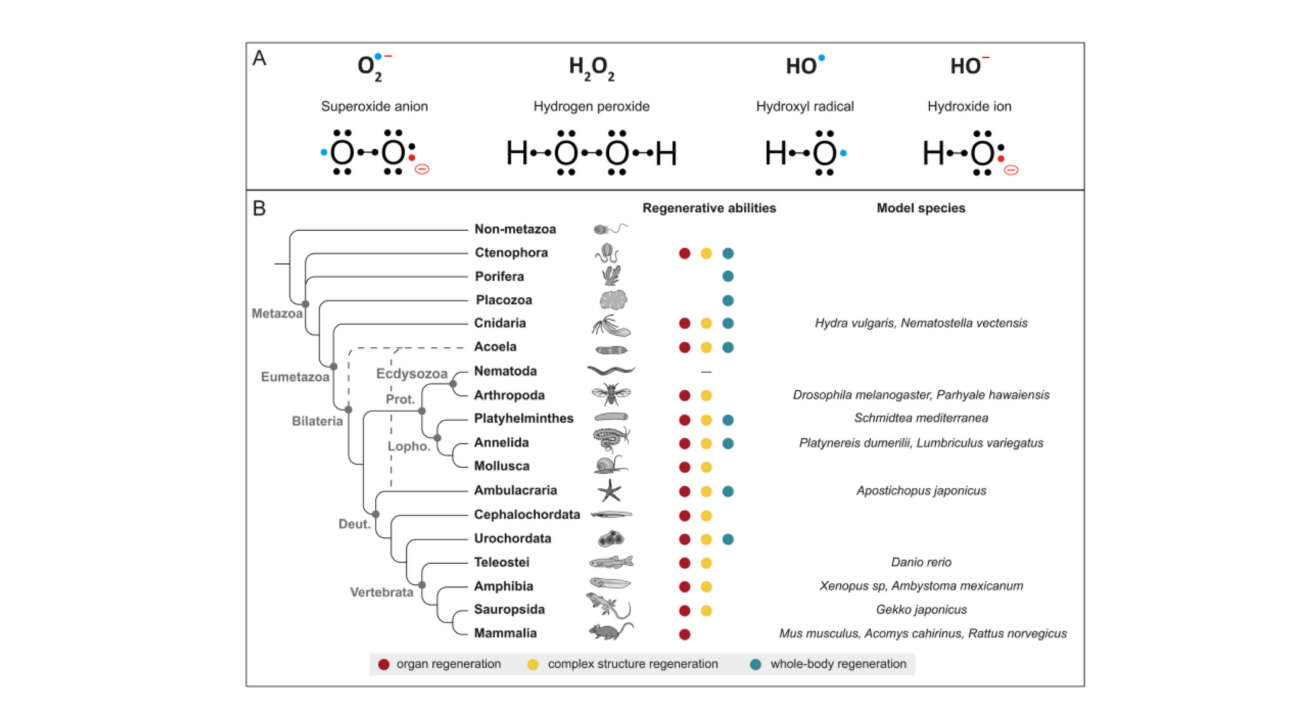
L'équipe Gazave a publié un nouvel article dans Cellular and Molecular Life Sciences : Understanding ROS signaling and evolution during animal regeneration offers promising opportunities for novel therapeutic approaches Résumé : Despite their potentially harmful oxidative properties, Reactive Oxygen Species (ROS) have been harnessed by living organisms during evolution as signaling molecules involved in various physiological processes.…
Read More

Gazave Lab – The Identity of Stem Cell Kinds

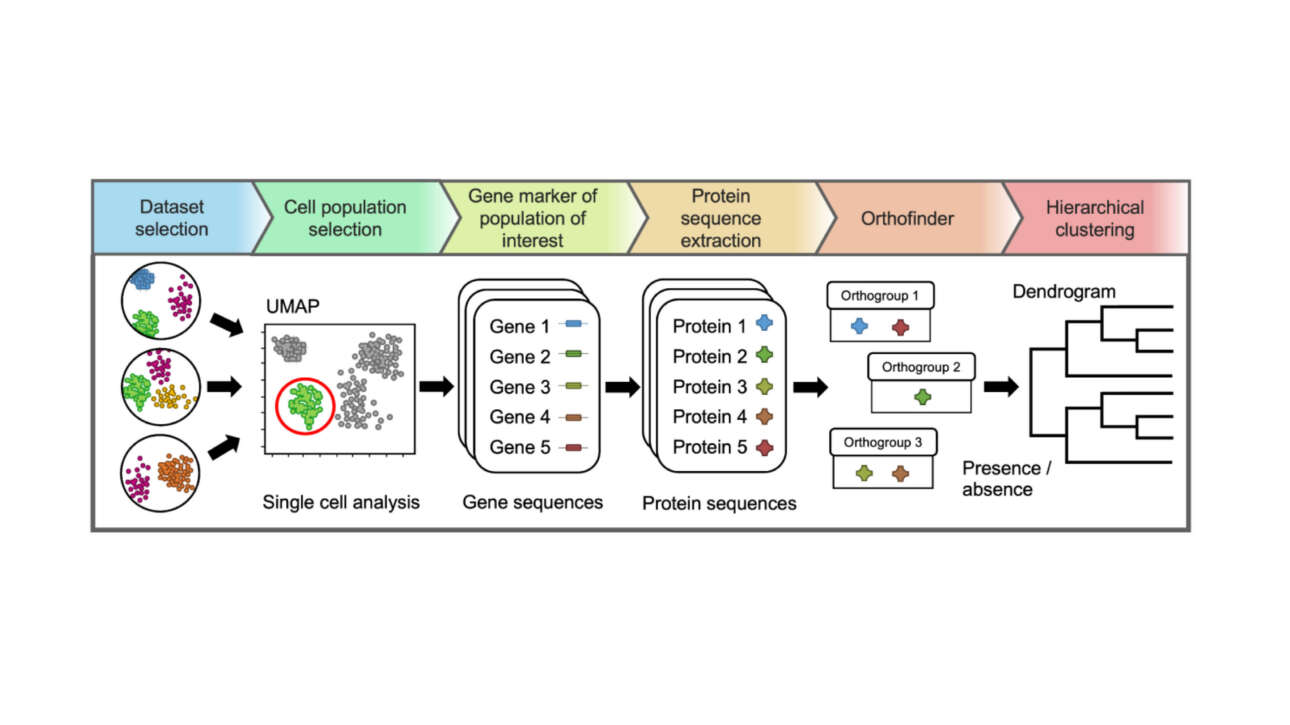
L'équipe Gazave a publié un nouvel article dans British Journal for the Philosophy of Science : The Identity of Stem Cell Kinds Résumé : Stem cells are defined by their self-renewal and differentiation abilities. Through those properties, they ensure the production and renewal of organisms’ cells and, in some species, the regeneration of lost parts, making them…

Read More

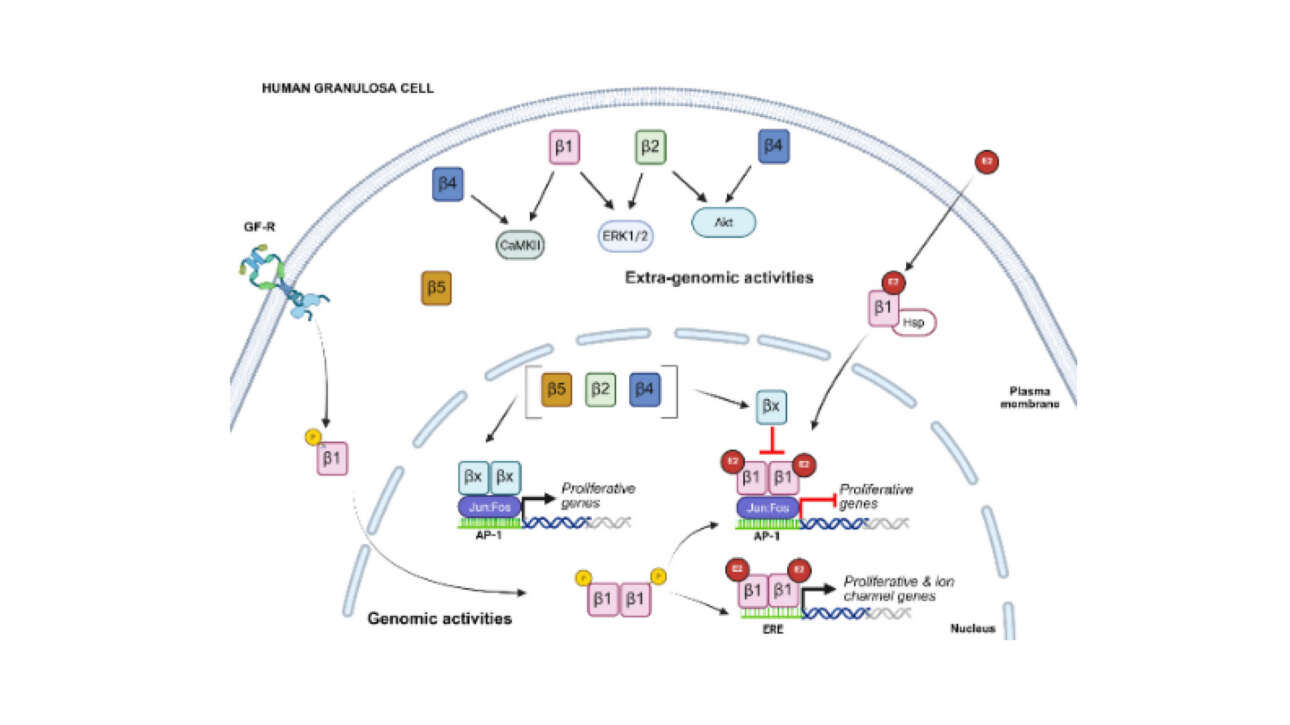
ProtéoSeine – Estrogen Receptor Beta Isoforms Interplay Integrates Nuclear and Extra-Nuclear Signaling to Modulate Human Granulosa Cell Growth

La plateforme ProtéoSeine a contribué à la publication d'un nouvel article dans FASEB Journal : Estrogen Receptor Beta Isoforms Interplay Integrates Nuclear and Extra-Nuclear Signaling to Modulate Human Granulosa Cell Growth Résumé : Estradiol (E2) regulates ovarian follicular development and granulosa cell (GC) function primarily through estrogen receptor β (ERβ). Human GCs express several ERβ isoforms, including…

Read More

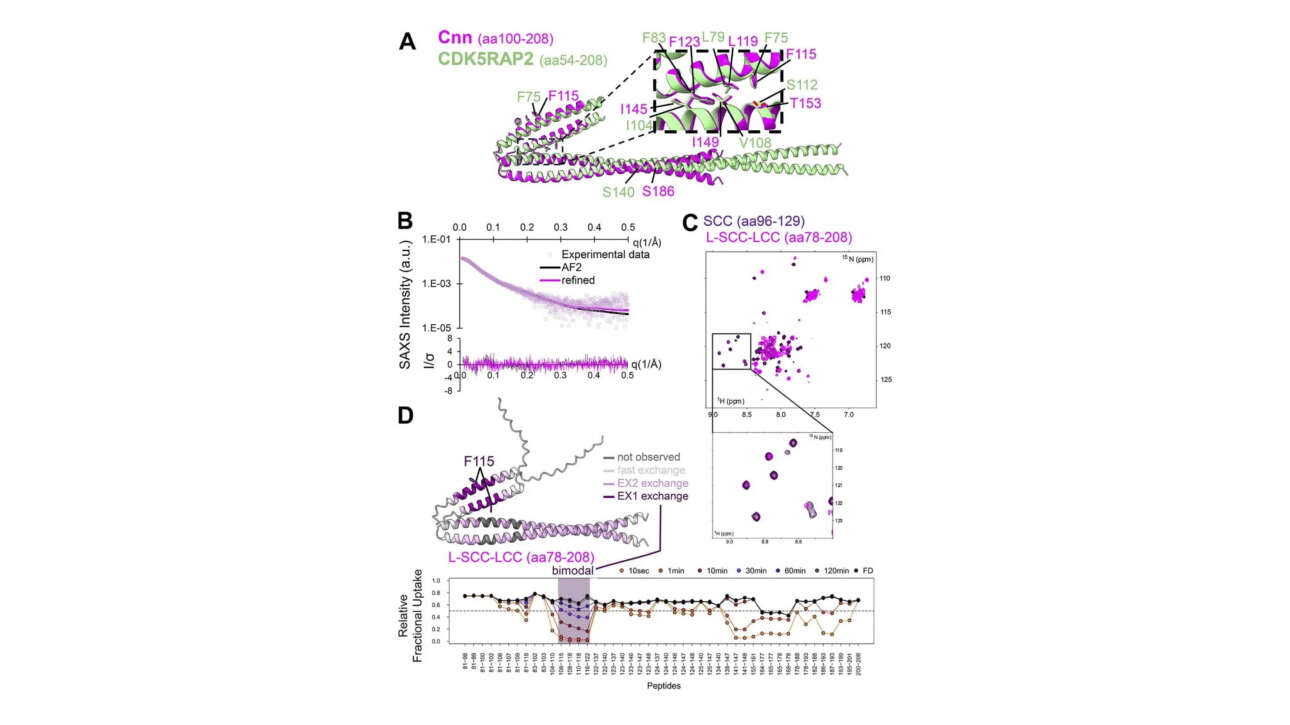
Conduit Lab – A structural model for the autoinhibition of the γ-TuRC–activating CM1 domain

L'équipe Conduit a publié un nouvel article dans Journal of Cell Biology : A structural model for the autoinhibition of the γ-TuRC–activating CM1 domain Résumé : Microtubule nucleation by γ-tubulin ring complexes (γ-TuRCs) must be spatiotemporally controlled to avoid major cell division errors. γ-TuRCs are activated by the centrosome-specific binding of a highly conserved centrosomin motif 1…

Read More

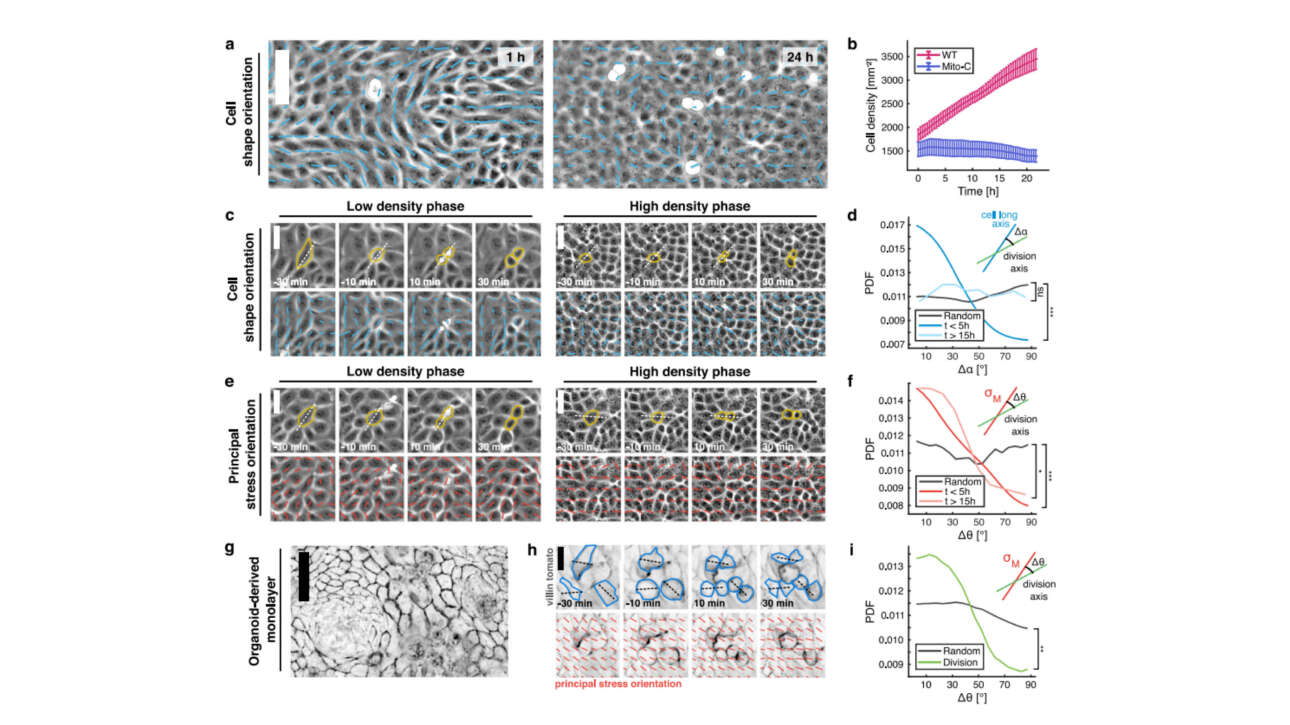
Ladoux/Mege Lab – A principal-stress rule for cell division in epithelia

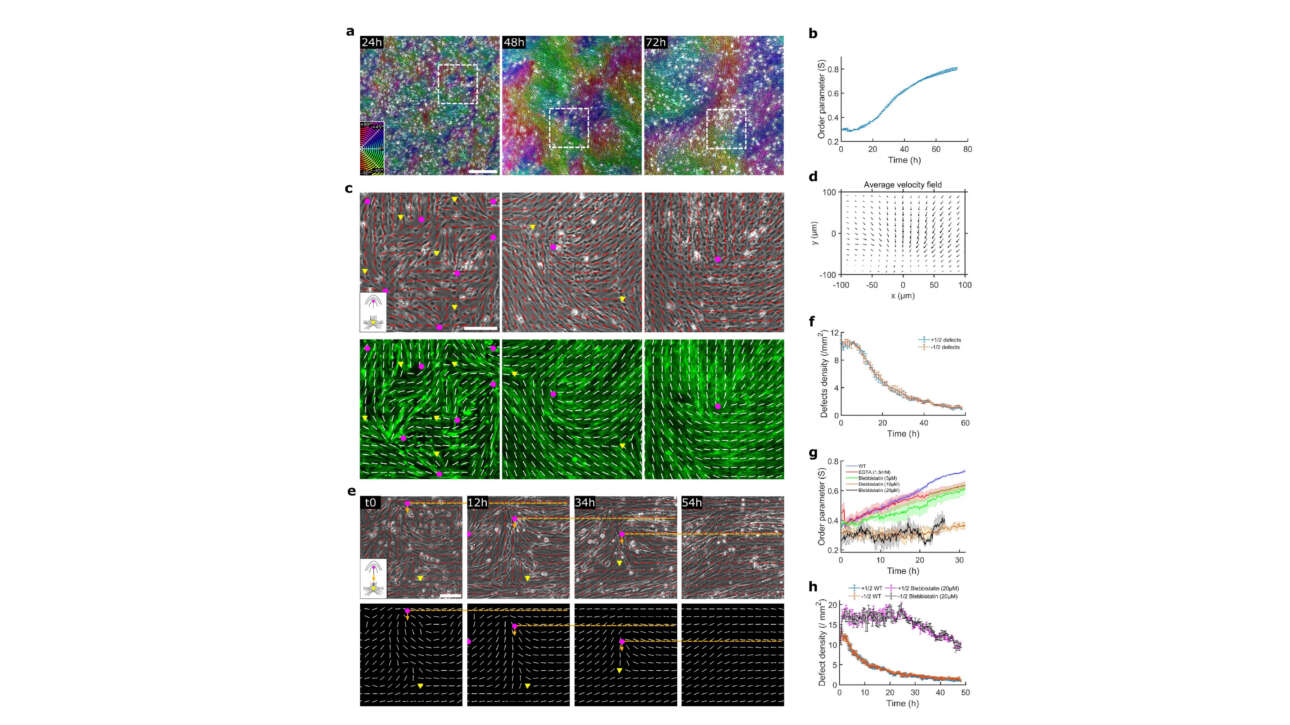
L'équipe Ladoux/Mège a publié un nouvel article dans Nature Communications : A principal-stress rule for cell division in epithelia Résumé : Dense active materials must continuously relieve internal mechanical stress to remain structurally stable as they are driven far from equilibrium. In epithelial tissues, this relief occurs through cell division, where, according to Hertwig’s century-old rule, cells…

Read More

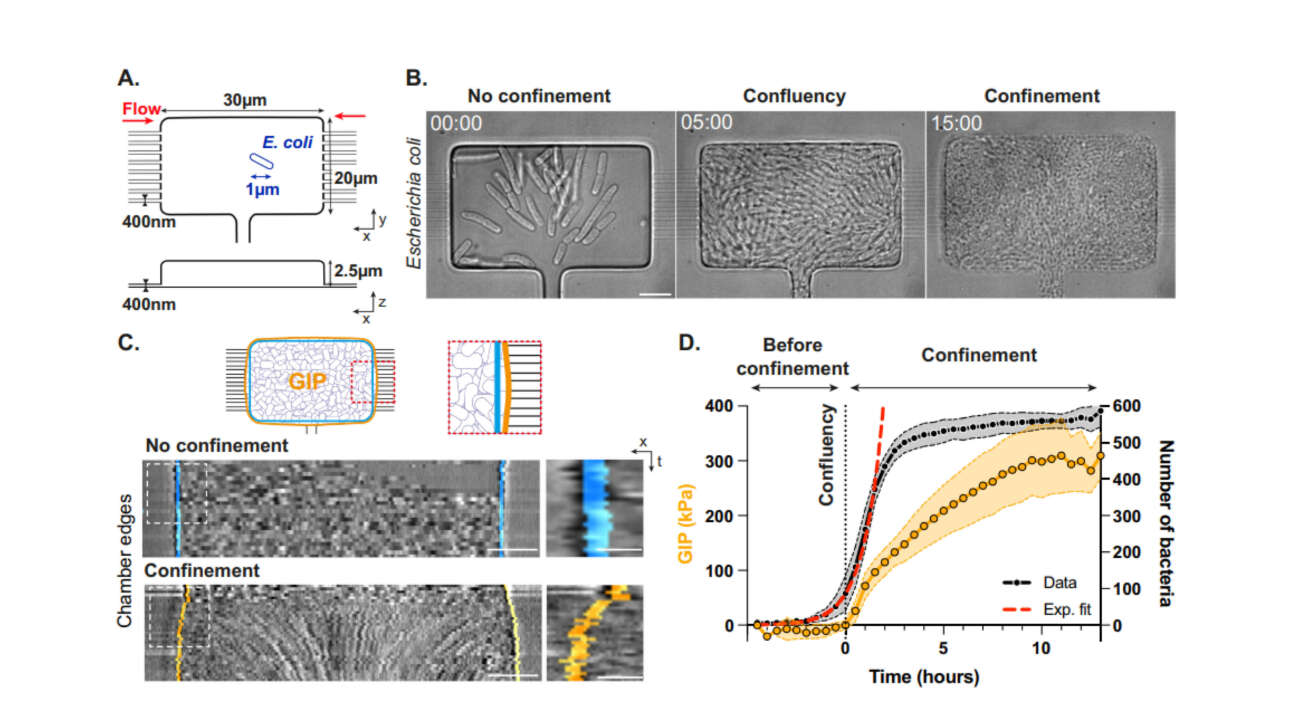
Bonazzi Lab – Bacterial growth under confinement requires transcriptional adaptation to resist turgor pressure build-up

L'équipe Bonazzi a publié un nouvel article dans Nature Communications : Bacterial growth under confinement requires transcriptional adaptation to resist turgor pressure build-up Résumé : Bacterial proliferation in confined spaces occurs in biofilms, intracellular compartments, or infection sites, generating mechanical constraints. We investigated how growth-induced mechanical pressure affects bacterial physiology using a microfluidic device ensuring nutrient access.…

Read More

Ladoux/Mege – Extracellular-matrix mediated stresses spatially bias myoblast fusion and myotube growth

L'équipe Ladoux/Mège a publié un nouvel article dans Nature Communications : Extracellular-matrix mediated stresses spatially bias myoblast fusion and myotube growth Résumé : Myoblast fusion into multinucleated myotubes is essential for skeletal muscle development and repair, yet how tissue-scale mechanics contributes to this process remains poorly understood. Here, we show that primary myoblasts behave as an evolving…

Read More

Duharcourt Lab – The mechanistic and evolutionary diversity of programmed DNA elimination

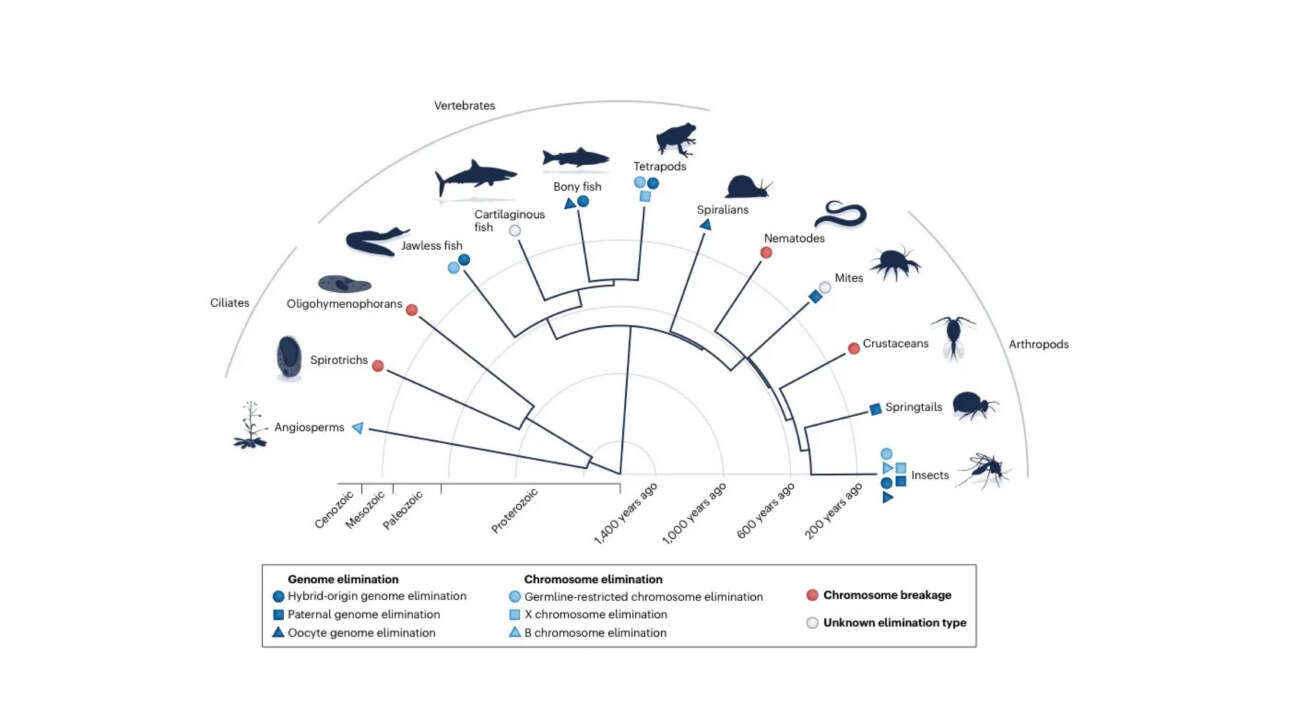
L'équipe Duharcourt a publié une review dans Nature Reviews Genetics : The mechanistic and evolutionary diversity of programmed DNA elimination Résumé : Beyond somatic mutations, the genetic makeup of an organism is often assumed to remain constant across all cells or nuclei within individuals. However, some organisms exhibit programmed DNA elimination (PDE), whereby specific cell lineages lose…

Read More

Veitia Lab – Nonlinearities and Switch-Like Behavior in Gene Expression: From Genetics to Biochemistry and Back.

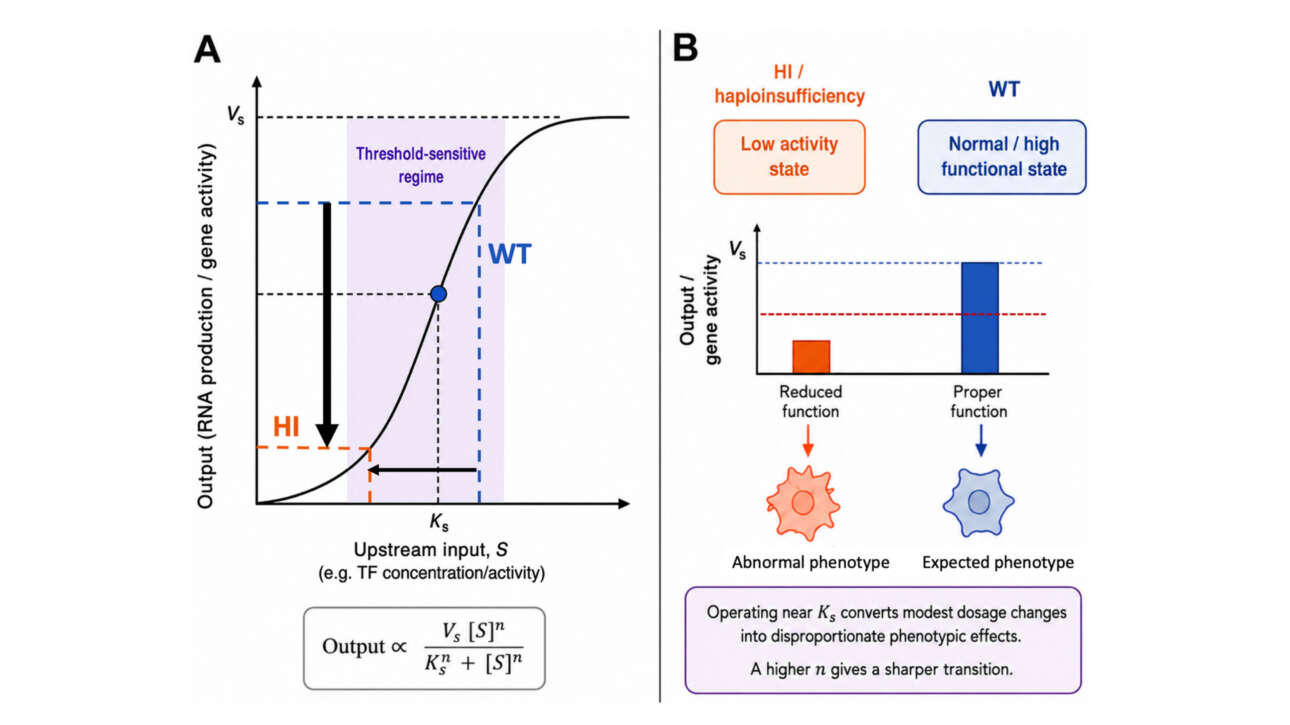
L'équipe Veitia a publié un nouvel article dans FASEB Journal : Nonlinearities and Switch-Like Behavior in Gene Expression: From Genetics to Biochemistry and Back. Résumé : Many developmental and physiological outcomes depend on transcriptional thresholds or switches. The transcriptional output, ultimately measured as mature RNA, is determined by a series of molecular steps that can introduce thresholds,…

Read More

Prioleau Lab – Ploidy-dependent modulation of DNA replication kinetics in Xenopus

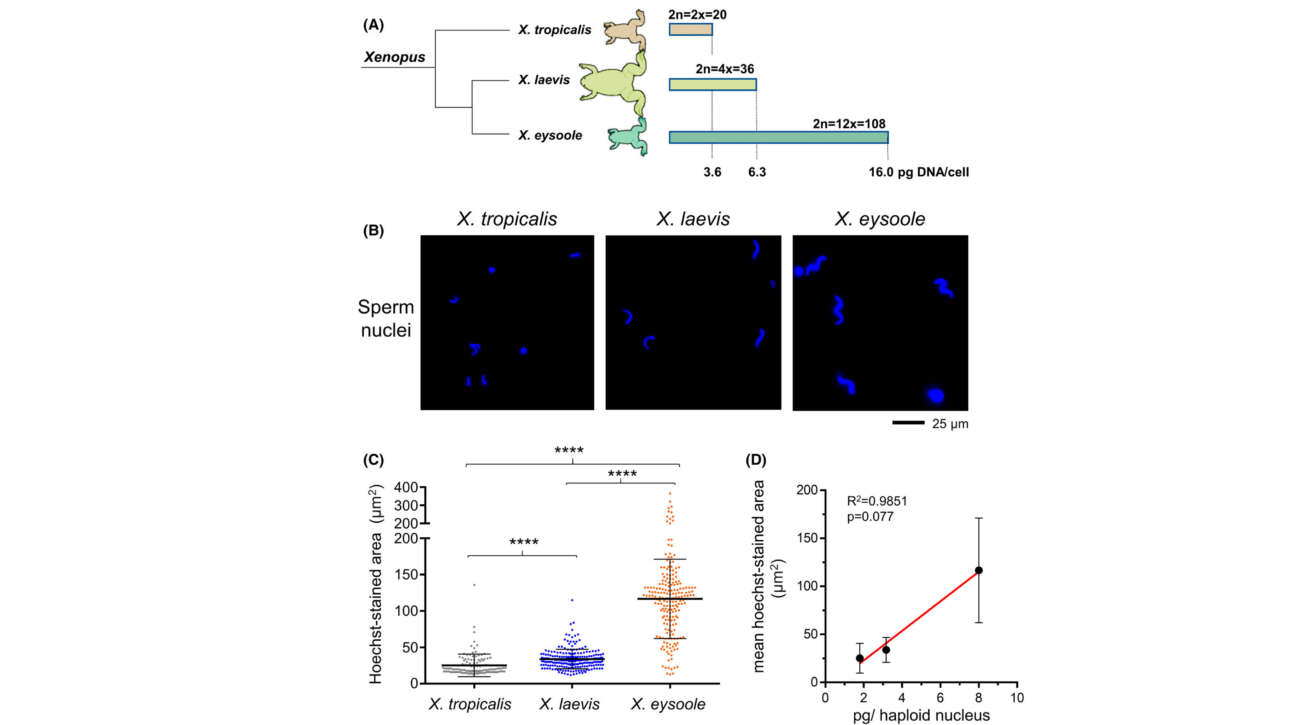
L'équipe Prioleau a publié un nouvel article dans The FEBS Journal : Ploidy-dependent modulation of DNA replication kinetics in Xenopus Résumé : An important question in cell biology is how DNA replication programs scale with genome size following polyploidization, an evolutionary process that increases DNA content without proportionally extending the cell cycle duration. In particular, comparative…

Read More