The Minc Lab published a nex article in Molecular Biology of the Cell :
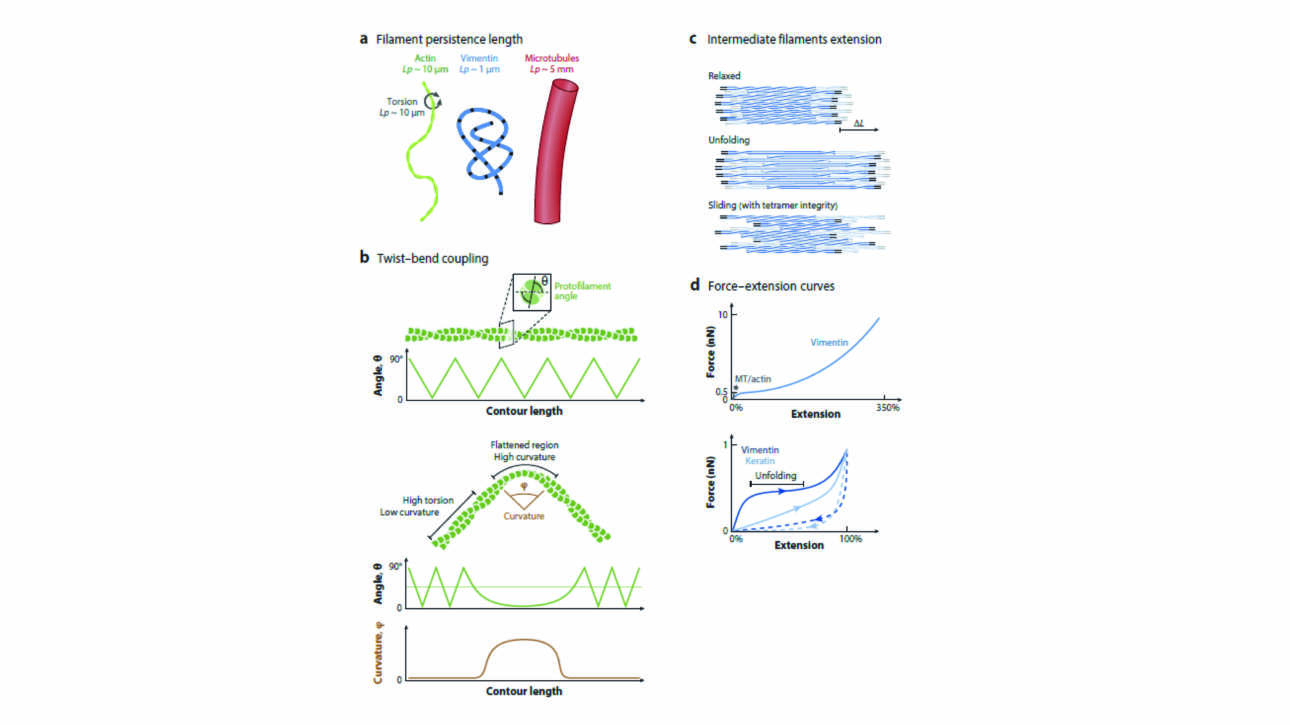
Mechanical strategies supporting growth and size diversity in Filamentous Fungi
Abstract:
The stereotypical tip growth of filamentous fungi supports their lifestyles and functions. It relies on the polarized remodeling and expansion of a protective elastic cell wall (CW) driven by large cytoplasmic turgor…
The Dumont Lab published a new article in Nature Communication:
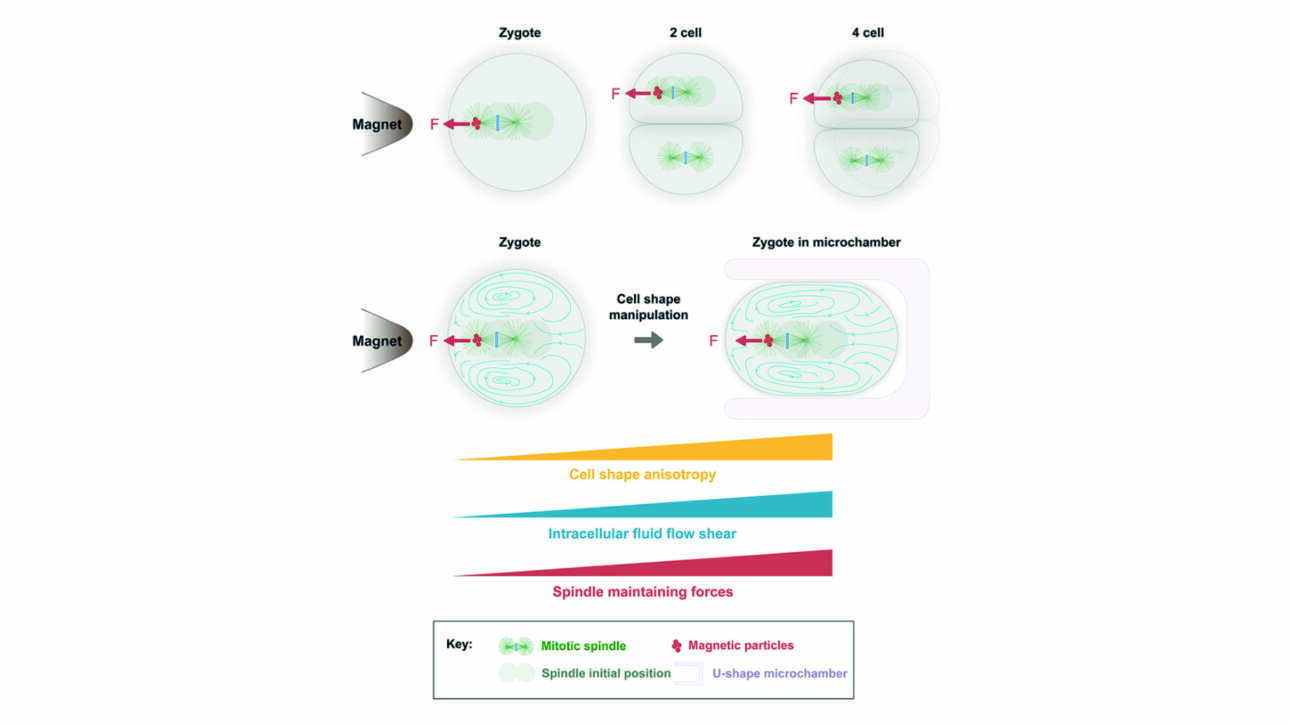
Maternal inheritance of functional centrioles in two parthenogenetic nematodes
Abstract:
Centrioles are the core constituent of centrosomes, microtubule-organizing centers involved in directing mitotic spindle assembly and chromosome segregation in animal cells. In sexually reproducing species, centrioles degenerate during oogenesis and female meiosis is usually acentrosomal. Centrioles are…
The Raote Lab contributed to the publication of a new article in Developmental Cell:
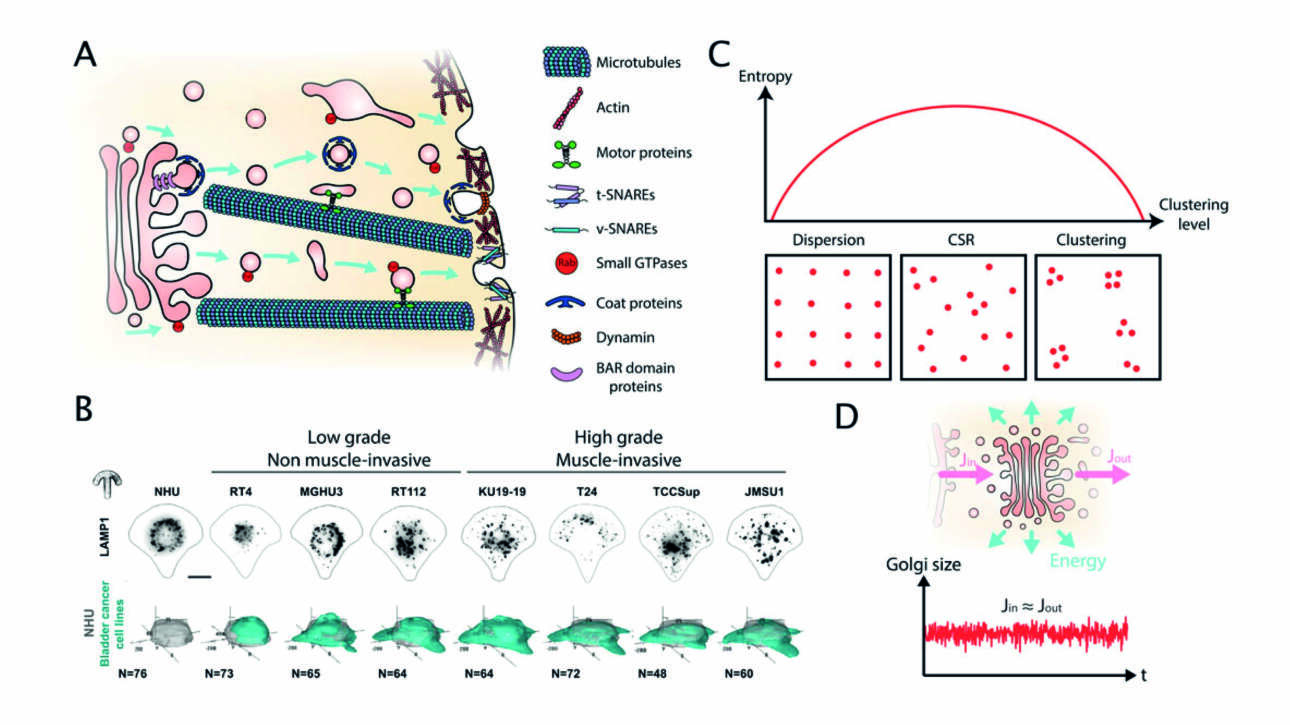
Endoplasmic reticulum exit sites are segregated for secretion based on cargo size
Abstract:
TANGO1, TANGO1-Short, and cTAGE5 form stable complexes at the endoplasmic reticulum exit sites (ERES) to preferably export bulky cargoes. Their C-terminal proline-rich domain (PRD) binds Sec23A and affects COPII assembly. The PRD in TANGO1-Short…
The Conduit Lab published a new review in Nature Structural & Molecular Biology:
Cryo-EM structures of γ-TuRC reveal molecular insights into microtubule nucleation
Abstract:
Microtubules within cells often have 13 protofilaments but are nucleated by multi-protein y-TuRCs complexes that display 14 γ-tubulin molecules. High-resolution cryo-EM structures of γ-TuRCs after nucleation show that these γ-TuRCs ‘close’ during nucleation…
The Gazave published a new article in Development:
Variations in cell plasticity and proliferation underlie distinct modes of regeneration along the antero-posterior axis in the annelid Platynereis
Abstract:
The capacity to regenerate lost tissues varies significantly among animals. Some phyla, such as the annelids, display substantial regenerating abilities, although little is known about the cellular mechanisms…
The Konstantinides Lab published a new article in CSH Perspectives:
Neuronal Circuit Evolution: From Development to Structure and Adaptive Significance
Abstract:
Neuronal circuits represent the functional units of the brain. Understanding how the circuits are generated to perform computations will help us understand how the brain functions. Nevertheless, neuronal circuits are not engineered, but have formed through…
The Grange/Geigl Lab published a new article in Science Advances:
Arrival of steppe-ancestry in the north of France observed in real-time explains the shaping of the European genome
The last major migratory wave that shaped the European genome was that of the populations from the steppes north of the Black Sea ~5,000 years. These steppe pastoralists…
Researchers at the Institut Jacques Monod have published a collaborative study ( preprint) on the conditions of use of various GFP and RFP for the direct detection of fluorescence in gels:
Direct observation of fluorescent proteins in gels: a rapid, cost-efficient and quantitative alternative to immunoblotting
Abstract:
The discovery of Green Fluorescent Protein (GFP) and its derivatives…
The ImagoSeine contributed to the publication of a new article in Science Advances:
Altered X-chromosome inactivation predisposes to autoimmunity
Abstract:
In mammals, males and females show marked differences in immune responses. Males are globally more sensitive to infectious diseases, while females are more susceptible to systemic autoimmunity. X-chromosome inactivation (XCI), the epigenetic mechanism ensuring the silencing of…
The ImagoSeine platform contributed to the publication of a new article in Circulation:
CAVIN1-Mediated hERG Dynamics: A Novel Mechanism Underlying the Interindividual Variability in Drug-Induced Long QT
Abstract:
BACKGROUND:
Drug-induced QT prolongation (diLQT) is a feared side effect that could expose susceptible individuals to fatal arrhythmias. The occurrence of diLQT is primarily attributed to unintended drug interactions…