Skip to content Skip to footer

Remise de diplôme pour les étudiants en Master 2 – Promotion 2024-2025

Mercredi 17 décembre, les étudiants de la promotion 2024-2025 du Master de Sciences, technologies, santé, mention Biologie Moléculaire et Cellulaire, parcours Biologie et Développement Cellulaire ont eu leur remise des diplômes à l’Institut Jacques Monod. La cérémonie s'est déroulée en présence des enseignants et des responsables du parcours Biologie et développement cellulaire : Hervé Enslen, Simon…

Read More

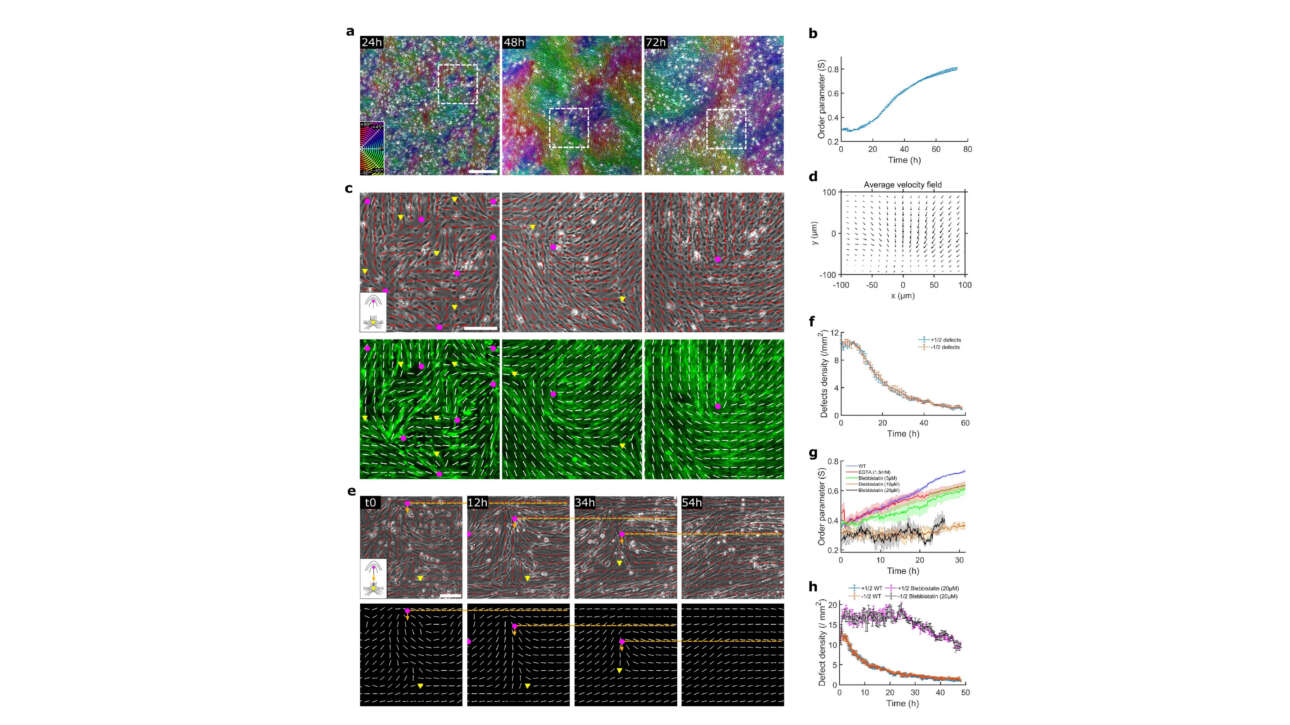
Offre de Post doc pour étudier l’impact de la mécanique sur l’extrusion cellulaire (H/F)

Informations générales Intitulé de l'offre : Offre de Post doc pour étudier l'impact de la mécanique sur l’extrusion cellulaire (H/F) Référence : UMR7592-RENMEG-016 Nombre de Postes : 1 Lieu de travail : PARIS 13 Date de publication : vendredi 19 décembre 2025 Type de contrat : Chercheur en contrat CDD Durée du contrat : 3 mois Date d'embauche prévue : 1 mars 2026 Quotité de travail : Complet Rémunération…

Read More

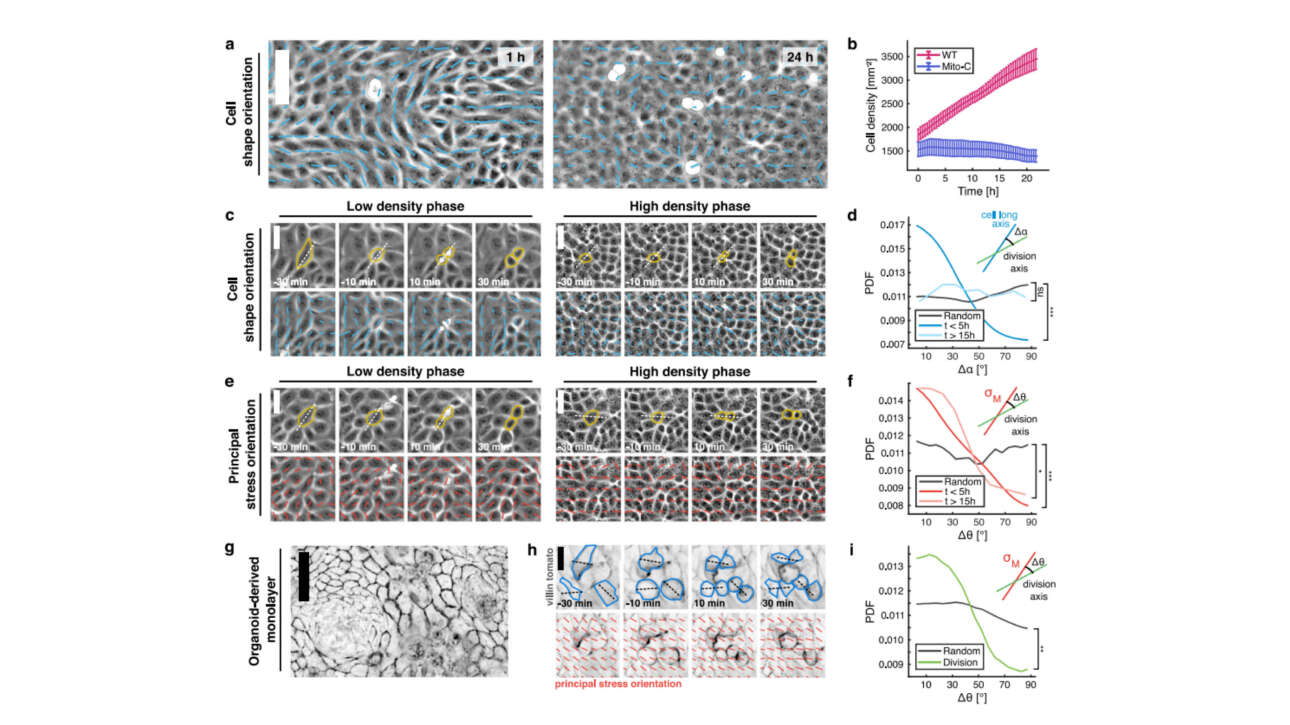
Ladoux/Mege Lab – Radical scaling: beyond our feet and fingers

L'équipe Ladoux/Mege a publié un nouvel article dans Soft Matter : Radical scaling: beyond our feet and fingers Résumé : Scaling laws arise and are eulogized across disciplines from natural to social sciences for providing pithy, quantitative, ‘scale-free’, and ‘universal’ power law relationships between two variables. On a log–log plot, the power laws display as straight lines,…

Read More

Borghi Lab – Chlamydia trachomatis highjacks host MYO1C for actin cage recruitment at the bacterial inclusion

L'équipe Borghi a contribué la publication d'un nouvel article dans Microbiological Research : Chlamydia trachomatis highjacks host MYO1C for actin cage recruitment at the bacterial inclusion Résumé : Chlamydia trachomatis (Ct), a Gram-negative obligate intracellular pathogen, manipulates host actin dynamics to facilitate its entry, development, and exit. It assembles a dynamic actin cage around its intracellular niche,…

Read More

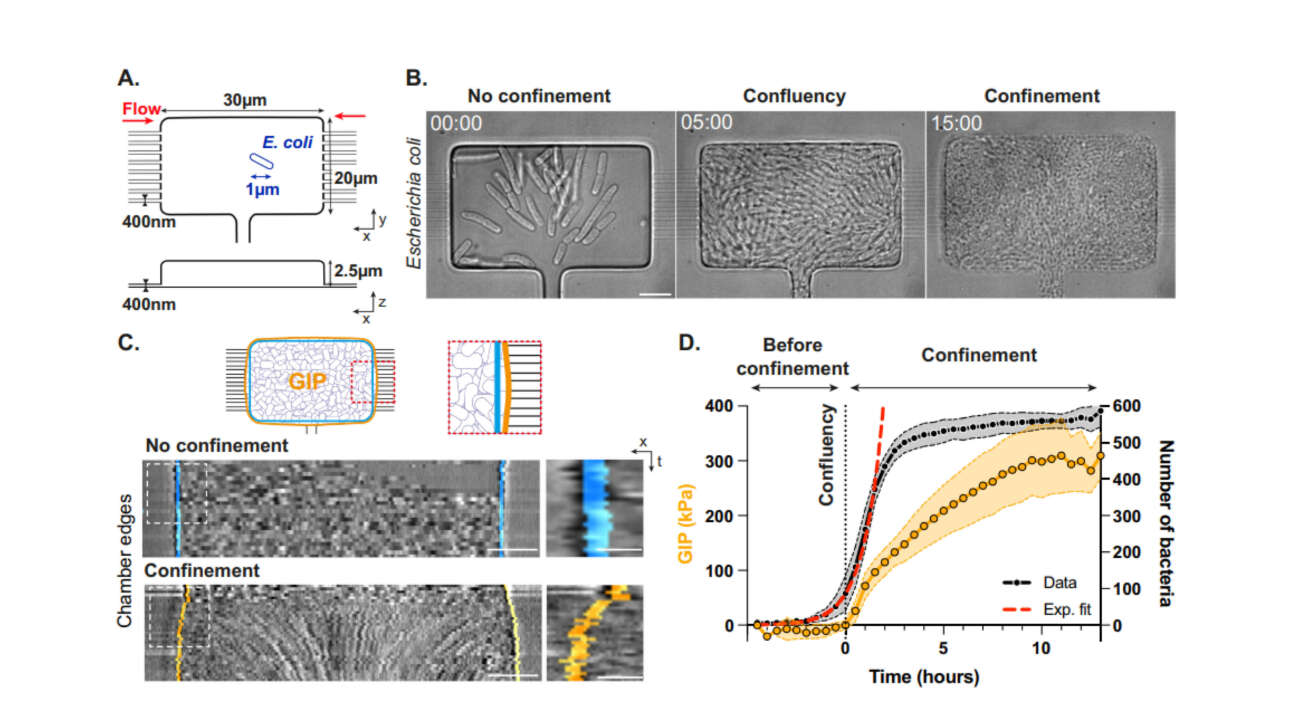
Borghi Lab – Meningococci drive host membrane tubulation to recruit their signaling receptors

L'équipe Borghi a contribué à la publication d'un nouvel article dans Nature communications : Meningococci drive host membrane tubulation to recruit their signaling receptors Résumé : Once passed into the bloodstream, bacterial pathogens have a limited time to interact with permissive receptors at the surface of host cells. Neisseria meningitidis has developed an extremely effective strategy allowing it to find its…

Read More

Ingénieur de recherche H/F en biophysique de l’inféction bactérienne

Informations générales Intitulé de l'offre : Ingénieur de recherche H/F en biophysique de l'inféction bactérienne Référence : UMR7592-DARBON-005 Nombre de Postes : 1 Lieu de travail : PARIS 13 Date de publication : lundi 24 novembre 2025 Type de contrat : IT en contrat CDD Durée du contrat : 12 mois Date d'embauche prévue : 12 janvier 2026 Quotité de travail : Complet Rémunération : à partir de 3237€ bruts…

Read More

Pintard Lab – Intramolecular regulation of the MT-severing enzyme Katanin prevents futile ATP hydrolysis

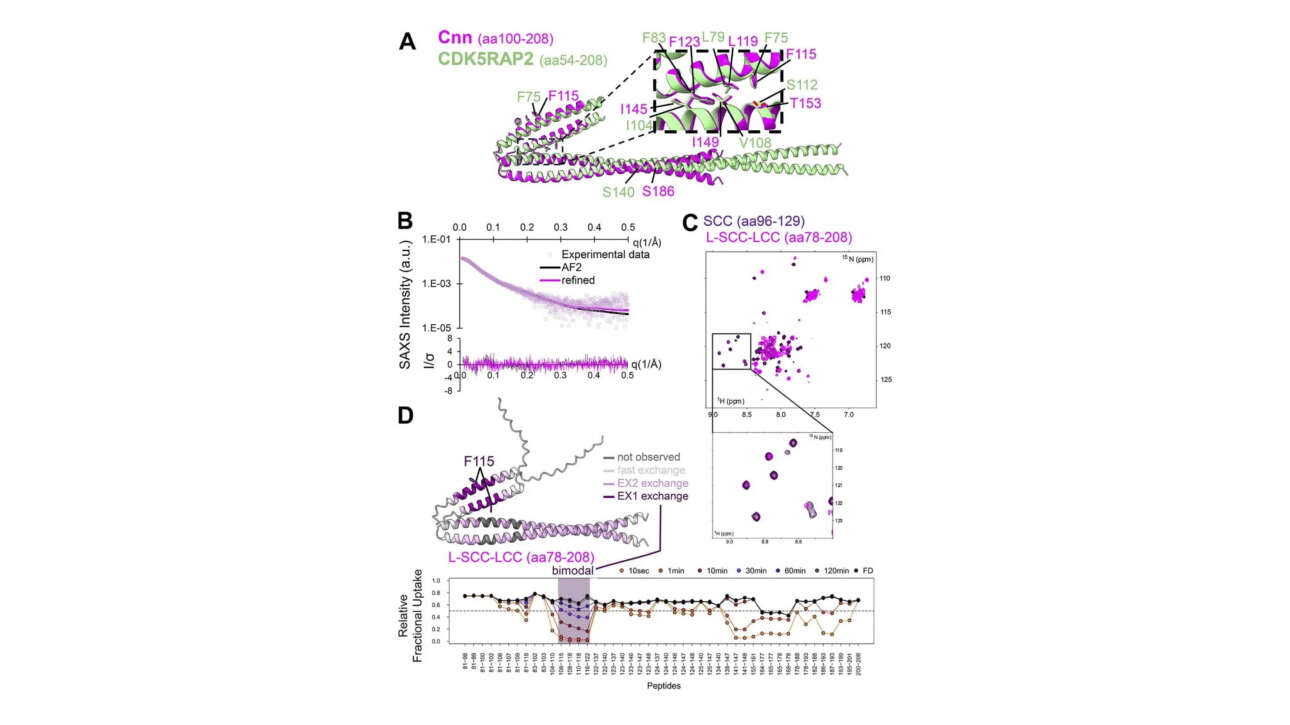
L'équipe Pintard a publié un nouvel article dans The Journal of Cell biology : Intramolecular regulation of the MT-severing enzyme Katanin prevents futile ATP hydrolysis Résumé : Microtubule-severing enzymes are evolutionarily conserved AAA-ATPases that sever microtubules, thereby regulating diverse microtubule-dependent cellular processes. How these enzymes couple Microtubule binding with ATP hydrolysis to trigger microtubule-remodeling remains poorly understood.…

Read More

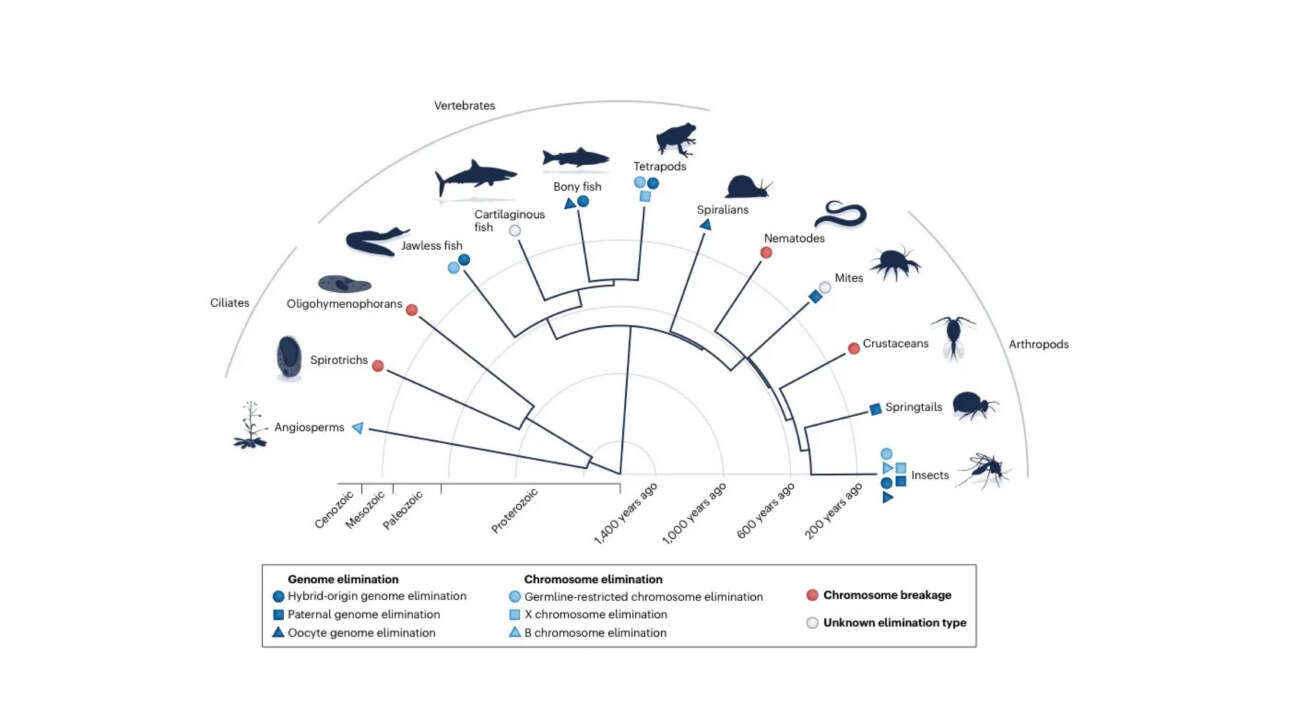
Veitia Lab – Deciphering the impact of AKT1 pathogenic variants in Juvenile Granulosa Cell Tumors Using a Drosophila model

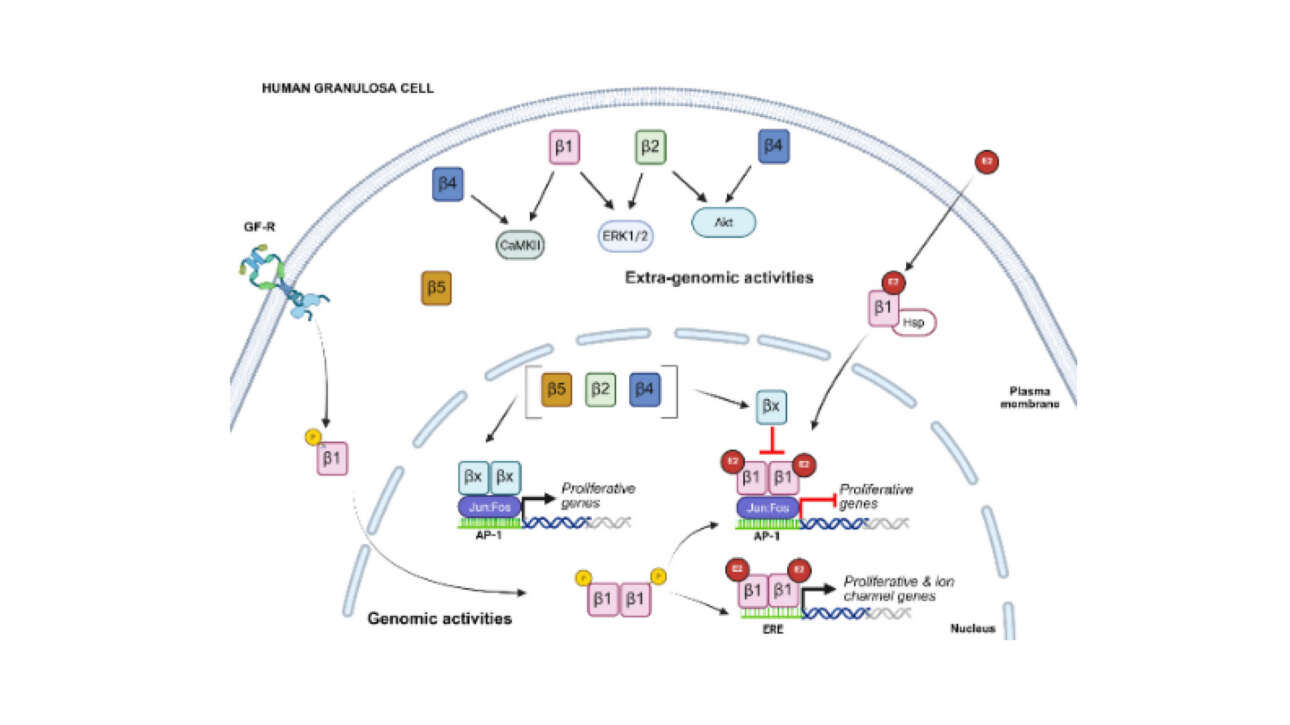
L'équipe Veitia a publié un nouvel article dans Molecular & Cellular Proteomics : Deciphering the impact of AKT1 pathogenic variants in Juvenile Granulosa Cell Tumors Using a Drosophila model.   Résumé : Background Juvenile-type granulosa cell tumors (JGCTs) manifest during the prepubertal period as precocious pseudo-puberty and/or dysmenorrhea. We have previously identified pathogenic variants in AKT1 in JGCTs. This study…

Read More