The Guichet Lab contributed to a new article published in Journal of Evolutionary Biology:
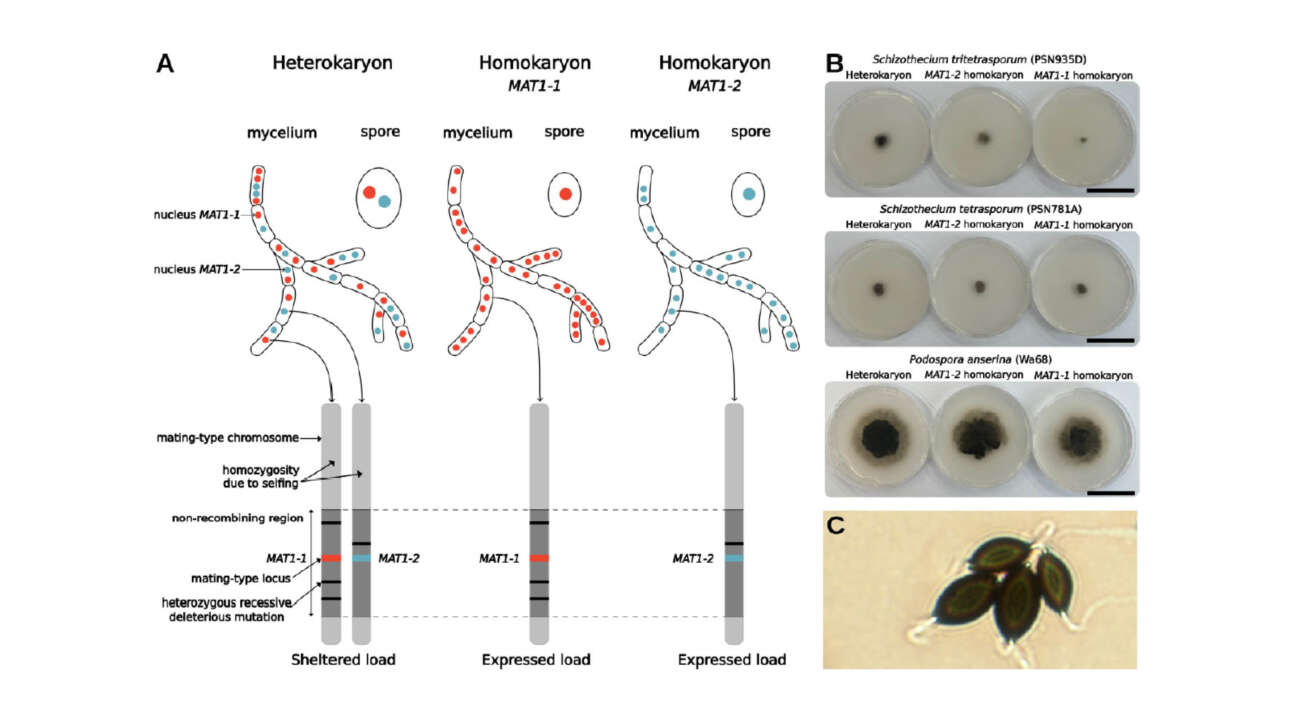
Sheltered load in fungal mating-type chromosomes revealed by fitness experiments
Abstract:
Sex chromosomes and mating-type chromosomes can carry large regions with suppressed recombination. As a result of a lower efficacy of selection, recessive deleterious mutations are expected to accumulate in these non-recombining regions.…
The Greenberg lab contributed to a new publication in Epigenetics:
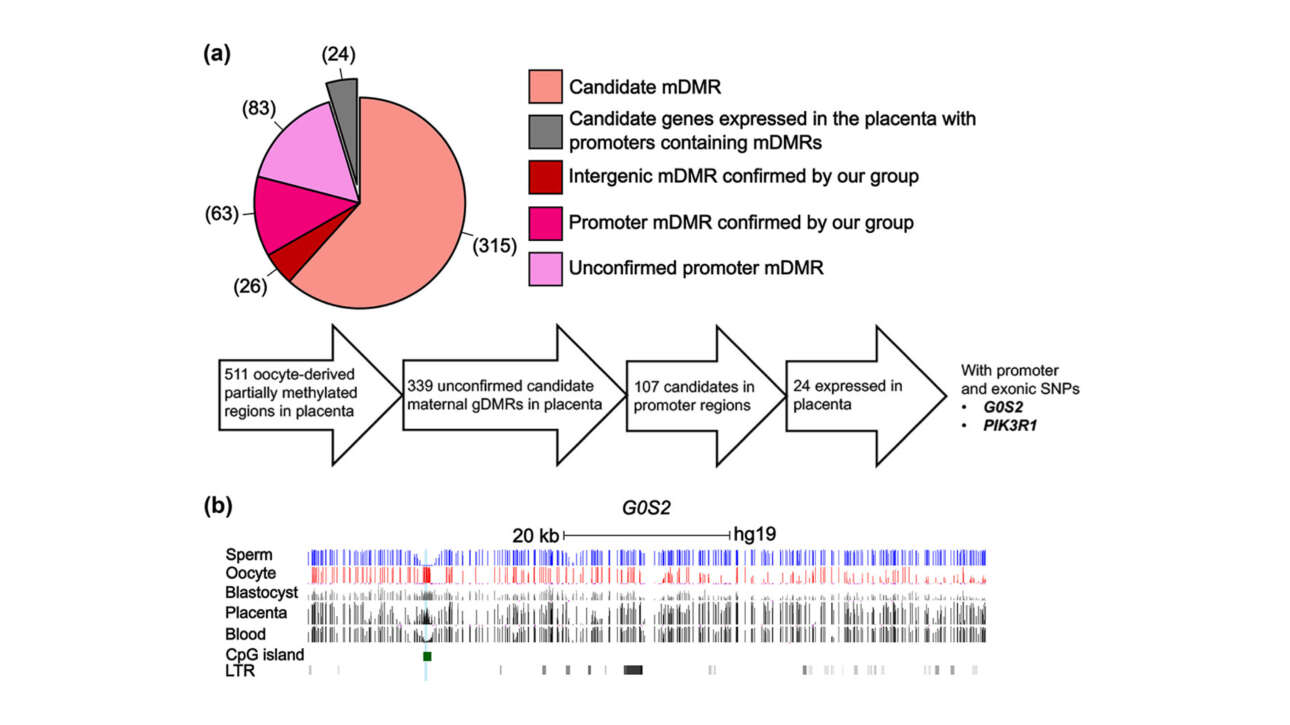
PIK3R1 and G0S2 are human placenta-specific imprinted genes associated with germline-inherited maternal DNA methylation
Abstract:
Genomic imprinting is the parent-of-origin specific monoallelic expression of genes that result from complex epigenetic interactions. It is often achieved by monoallelic 5-methylcytosine, resulting in the formation of differentially methylated regions (DMRs). These show a…
The Ladoux-Mège team, the MSC laboratory, and the Cochin Institute have collaborated on a new article published in Biophysical Journal:
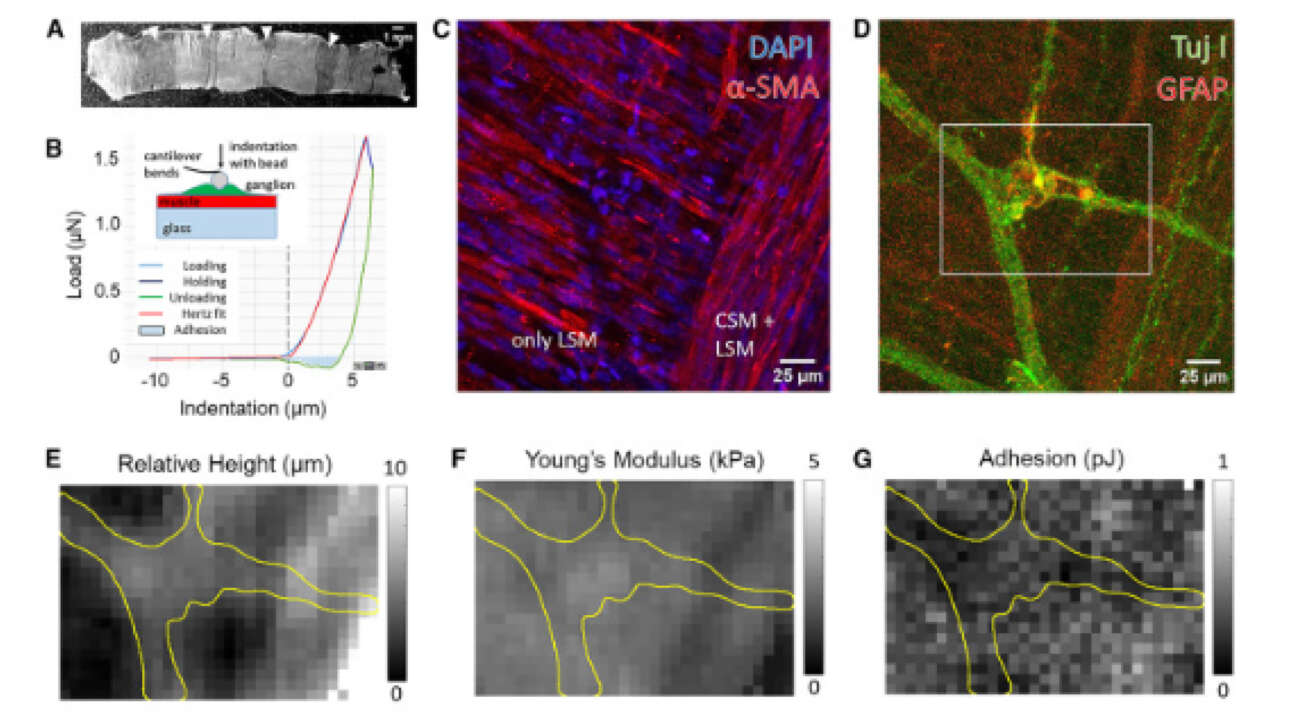
The enteric nervous system is 10 times stiffer than the brain
The intestine is the only organ in our body with a quasi-autonomous innervation, the enteric nervous system, commonly referred to as the “second brain.” The…
The Romet-Lemonne/Jégou Lab published a new publication in PNAS:
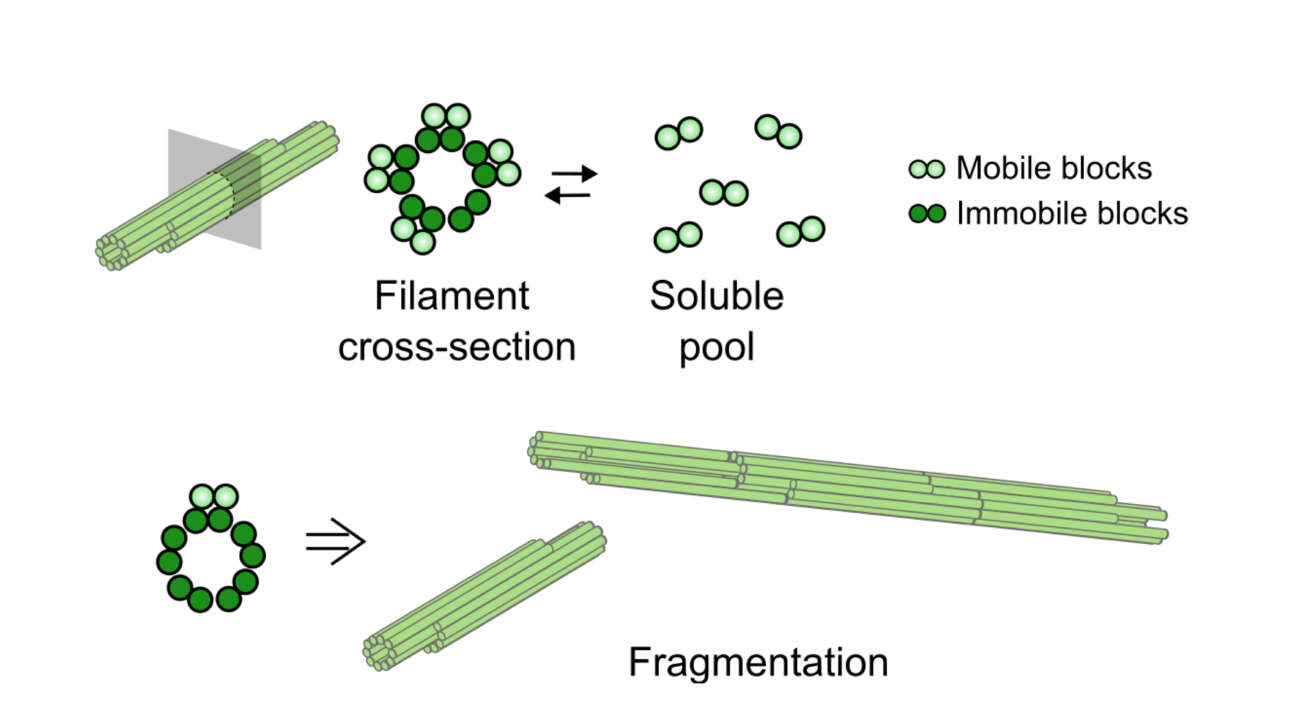
Continuous self-repair protects vimentin intermediate filaments from fragmentation
Abstract:
Intermediate filaments are key regulators of cell mechanics. Vimentin, a type of intermediate filament expressed in mesenchymal cells and involved in migration, forms a dense network in the cytoplasm that is constantly remodeling through filament transport, elongation/shortening, and subunit…
The Ladoux/Mège Lab contributed to the publication of a new article in The European Physical Journal E:
Osmotic pressure induces unexpected relaxation of contractile 3D microtissue
Abstract:
Cell contraction and proliferation, matrix secretion and external mechanical forces induce compression during embryogenesis and tumor growth, which in turn regulate cell proliferation, metabolism or differentiation. How compression affects tissue…
🏃 This Sunday, June 15, members of the Institut Jacques Monod joined forces for Fondation pour la Recherche Médicale by walking and running in the Course des Héros race!
🎖️ Congratulations to all the participants!
More information on the Course des héros race: https://www.coursedesheros.com/paris/
On June 4, 2025, the Institut Jacques Monod, the Functional and Adaptive Biology laboratory and the Epigenetics and Cell Fate laboratory held their apprentis chercheur Conference!
On this occasion, the 15 students from the Camille Claudel school, the Pierre Gilles de Gennes high school and the Gabriel Fauré high school presented their research work carried out…
Retrouverez l'intervention de Eva-Maria Geigl dans un podcast diffusé dans l'émissions La Science, CQFD :
Domestication : le jeu du chat et de l'Homme
Avec sa popularité grandissante, le chat est devenu un animal de compagnie très prisé. Les premières traces de sa cohabitation avec l’humain remontent au Néolithique. Comment étudier son long processus de domestication ?…
On 15 May 2025, Virginie Courtier-Orgogozo was promoted to the rank of Officier dans l’Ordre National du Mérite by decree of the French President. This prestigious distinction recognises her scientific excellence in the field of biology.
Virginie Courtier-Orgogozo is interested in the mechanisms involved in the evolution of species, in order to better understand our origins…
The Minc Lab published a new article in Current Biology:
Cell division: Size-scaling cytoplasmic flows transport chromosomes to the right spot
Abstract:
Early embryos undergo rounds of division, producing cells of reducing sizes that must scale the distance chromosomes segregate. A new study shows that this scaling results from a cell-size-dependent dampening of cytoplasmic flows that advect…